
Master Sous-Vide Through Real Practice
We spent years figuring out what actually works in sous-vide cooking. Not the Instagram version—the real stuff that helps you understand temperature control, timing, and why certain proteins behave the way they do. Our autumn 2025 program focuses on building genuine skill through hands-on work and experimentation.
Start Your JourneyCore Fundamentals
You'll learn the science behind precision cooking. Temperature charts are helpful, but understanding protein denaturation and how muscle fibers respond to heat is what separates decent results from consistent excellence.
- Temperature theory and practical application
- Timing strategies for different proteins
- Vacuum sealing techniques that matter
- Equipment setup and maintenance
Technique Development
We focus on repetition with purpose. Each session builds on the last, with specific challenges designed to expose common mistakes before they become habits. It's methodical but not boring.
- Beef, pork, and poultry preparation methods
- Seafood handling and timing precision
- Vegetable texture control
- Finishing techniques for serving
Personal Exploration
Once you've got the basics down, the program opens up. Choose your focus areas, experiment with approaches that interest you, and develop your own style within the framework of what works.
- Recipe development guidance
- Flavor pairing exploration
- Menu planning support
- Individual project work
How We Actually Teach This
Look, reading about sous-vide is one thing. Doing it repeatedly until you can judge doneness by feel and adjust on the fly is another. We structure sessions around actual cooking challenges you'll face, not theoretical scenarios.
Classes run twice weekly starting October 2025, with open lab time on Saturdays for practice. You'll work with professional equipment, but more importantly, you'll learn troubleshooting—what to do when timing goes wrong or equipment acts up.
What Makes This Different
We don't promise you'll become a chef in twelve weeks. That's unrealistic. What you will get is a solid foundation in precision cooking, practical experience with various proteins and vegetables, and the ability to recreate restaurant-quality results at home or in a professional setting.
The program includes access to our facility for six months after completion, so you can continue practicing and refining your technique.
Program Components
Everything included in the twelve-week intensive, designed for serious learners who want to understand the craft.
Hands-On Sessions
Twice-weekly classes focused on technique building and practical application with direct instructor feedback.
Open Lab Access
Practice space available every Saturday during the program, plus six months post-completion for continued development.
Small Groups
Maximum six students per session ensures individual attention and equipment availability for everyone.
Resource Library
Temperature guides, timing charts, and technique videos for reference during and after the program.
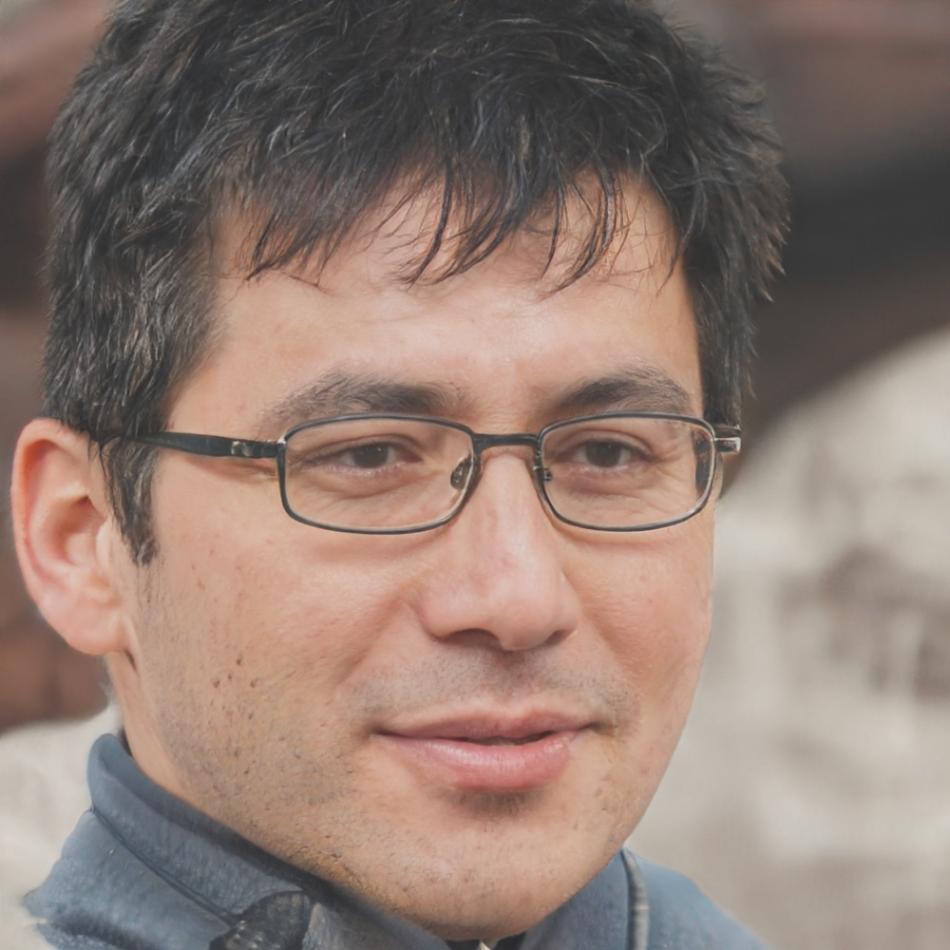
Valdis Krastiņš
Lead Instructor
Spent fifteen years in professional kitchens before focusing exclusively on precision cooking. Started with traditional methods, transitioned to sous-vide in 2012, and never looked back. These days, I teach because explaining why something works helps me understand it better.
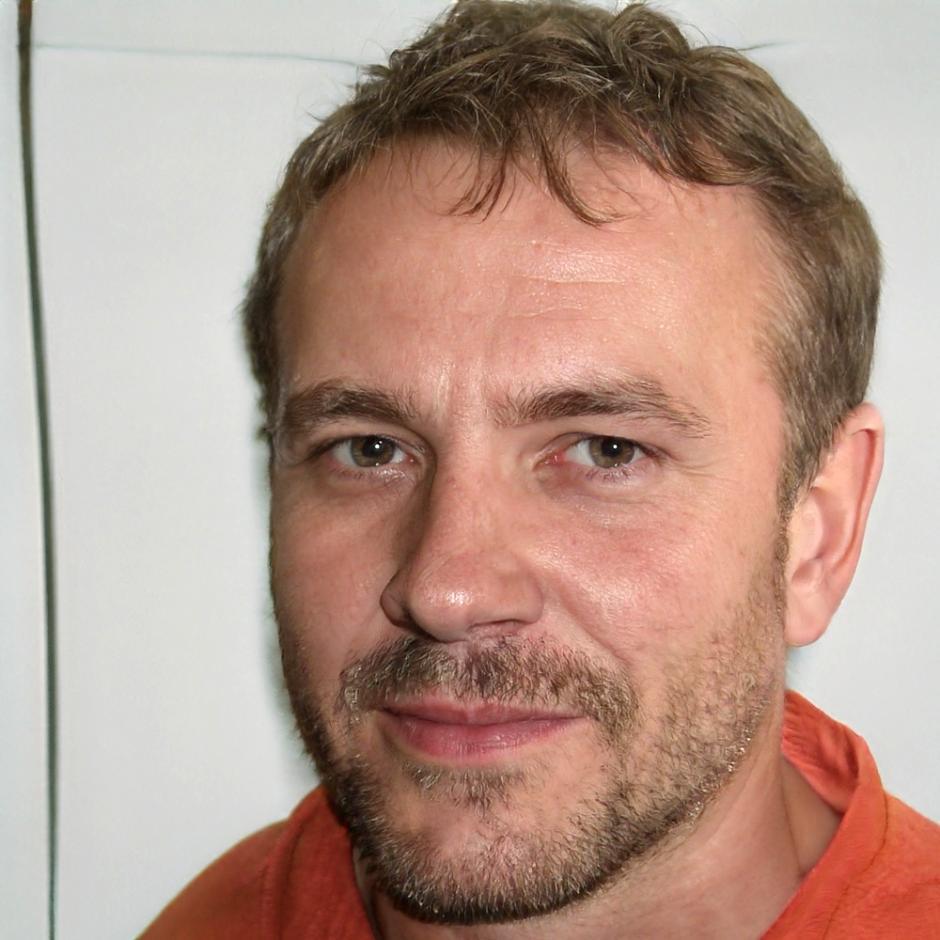
Emīls Bērziņš
Technical Specialist
Background in food science and a tendency to overthink temperature curves. Handles the technical side of the program and helps students understand the chemistry behind what's happening in those vacuum bags.
Practical Information
Schedule
Twelve weeks starting October 7, 2025. Tuesday and Thursday evenings, 6:00 PM to 9:00 PM. Saturday open lab from 10:00 AM to 4:00 PM. Plan for three to four hours weekly beyond class time if you want to get the most from this.
Location
Our facility on Dzelzavas iela in Riga has six fully equipped stations. Everything you need is provided—circulators, vacuum sealers, finishing equipment, and ingredients for each session.
Prerequisites
Basic knife skills and kitchen familiarity. You don't need professional experience, but you should be comfortable working around hot equipment and following safety protocols.
Next Steps
Reach out through our contact page if you're interested. We'll set up a brief conversation to make sure the program matches what you're looking for. Enrollment opens in July 2025 with limited spots available.