
Master Precision Temperature Control Through Sous-Vide
Water bath cooking isn't just restaurant technique anymore. Learn how precise temperature changes texture, flavor, and consistency in ways traditional methods can't touch.
Explore Our Program
Three Core Methods We Actually Use
Most people think sous-vide is complicated. It's not—but understanding why temperature matters takes practice. These approaches form the foundation.
Long Duration Proteins
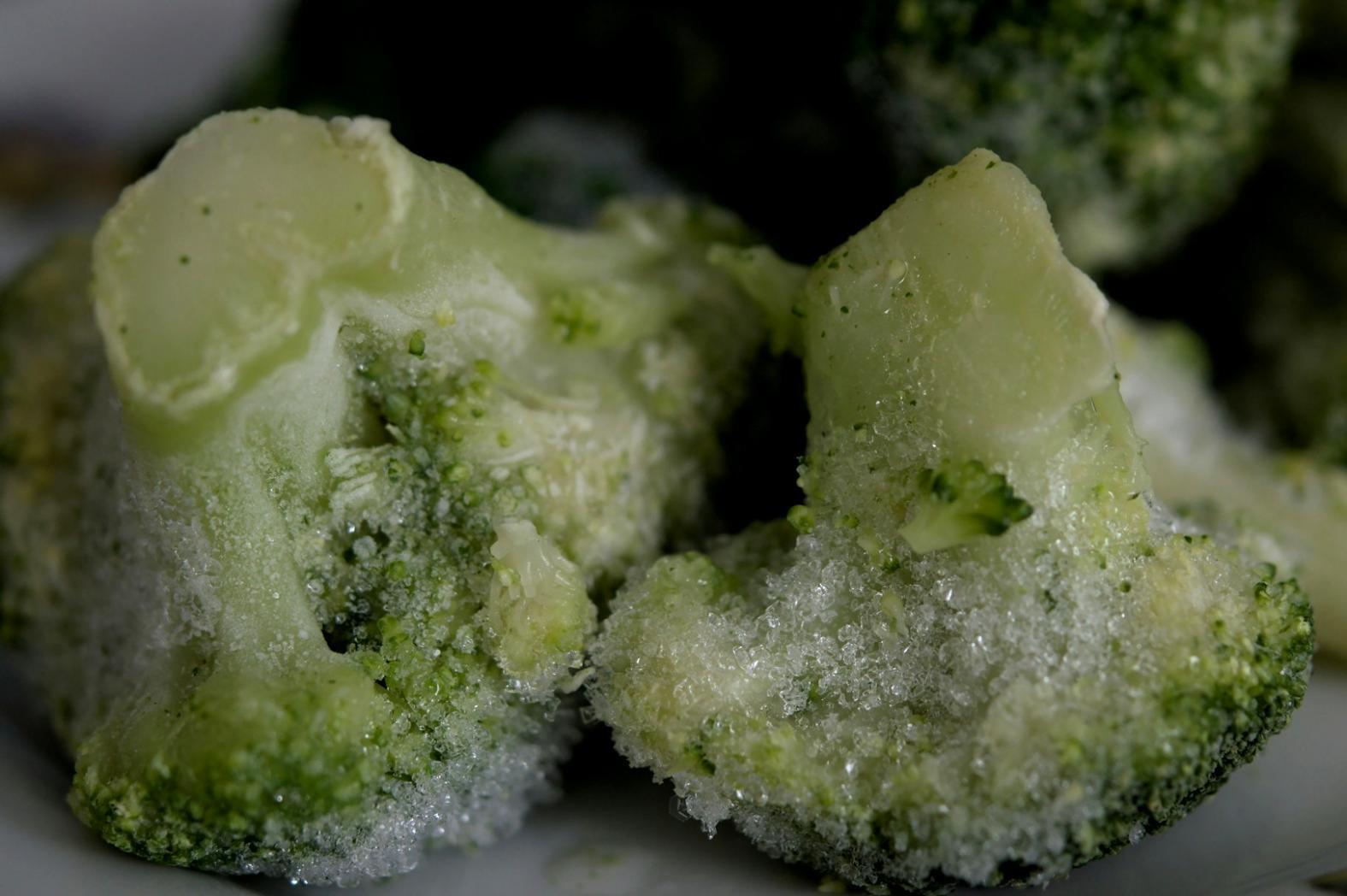
Tough cuts become tender without losing moisture. We're talking 24-hour cooks that break down connective tissue while keeping meat at medium-rare throughout.
Vegetable Texture Control
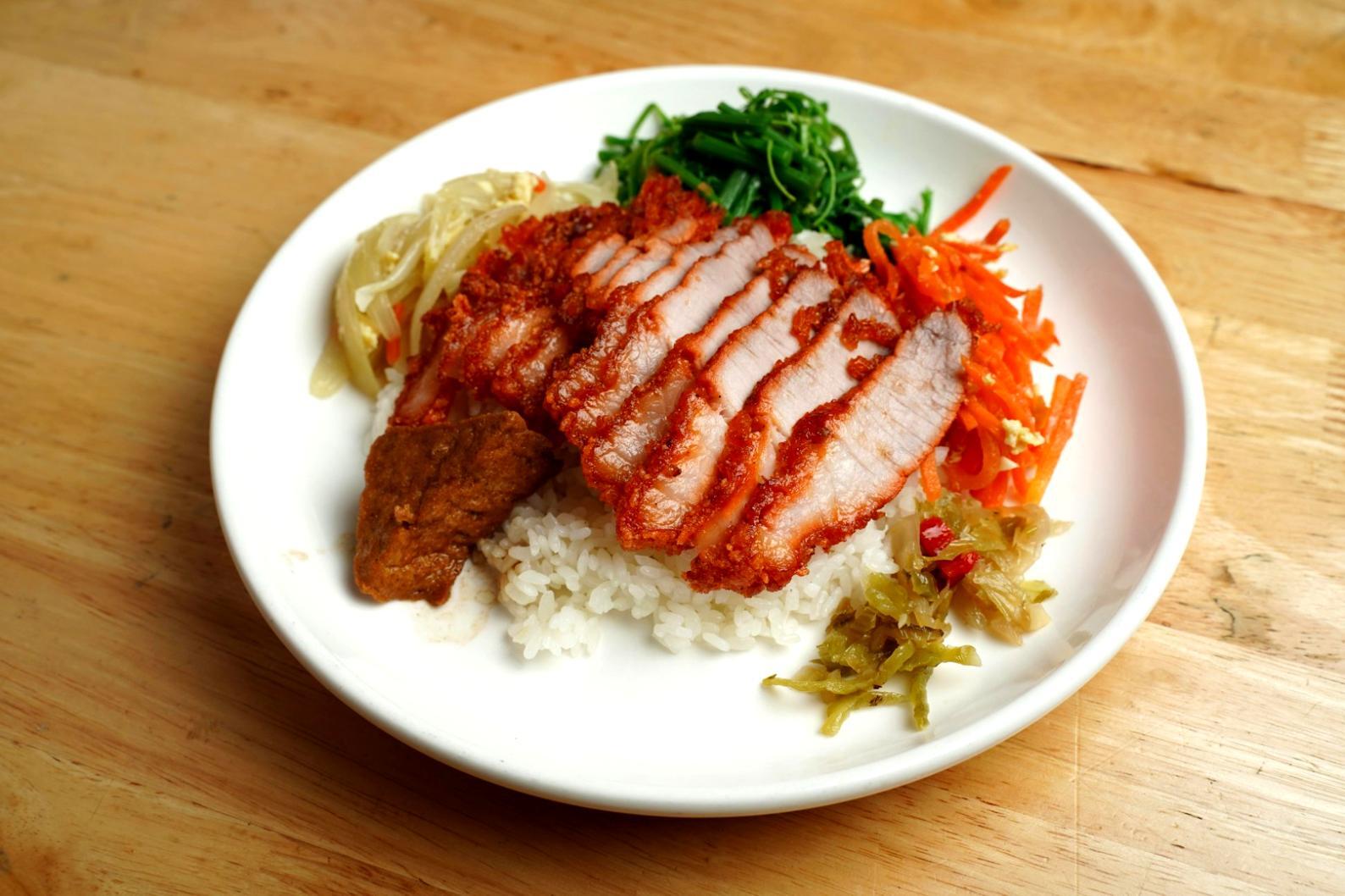
Carrots at 183°F stay firm but cooked through. Drop to 176°F and texture changes completely. Small adjustments create big differences you can actually taste.
Egg Precision Work
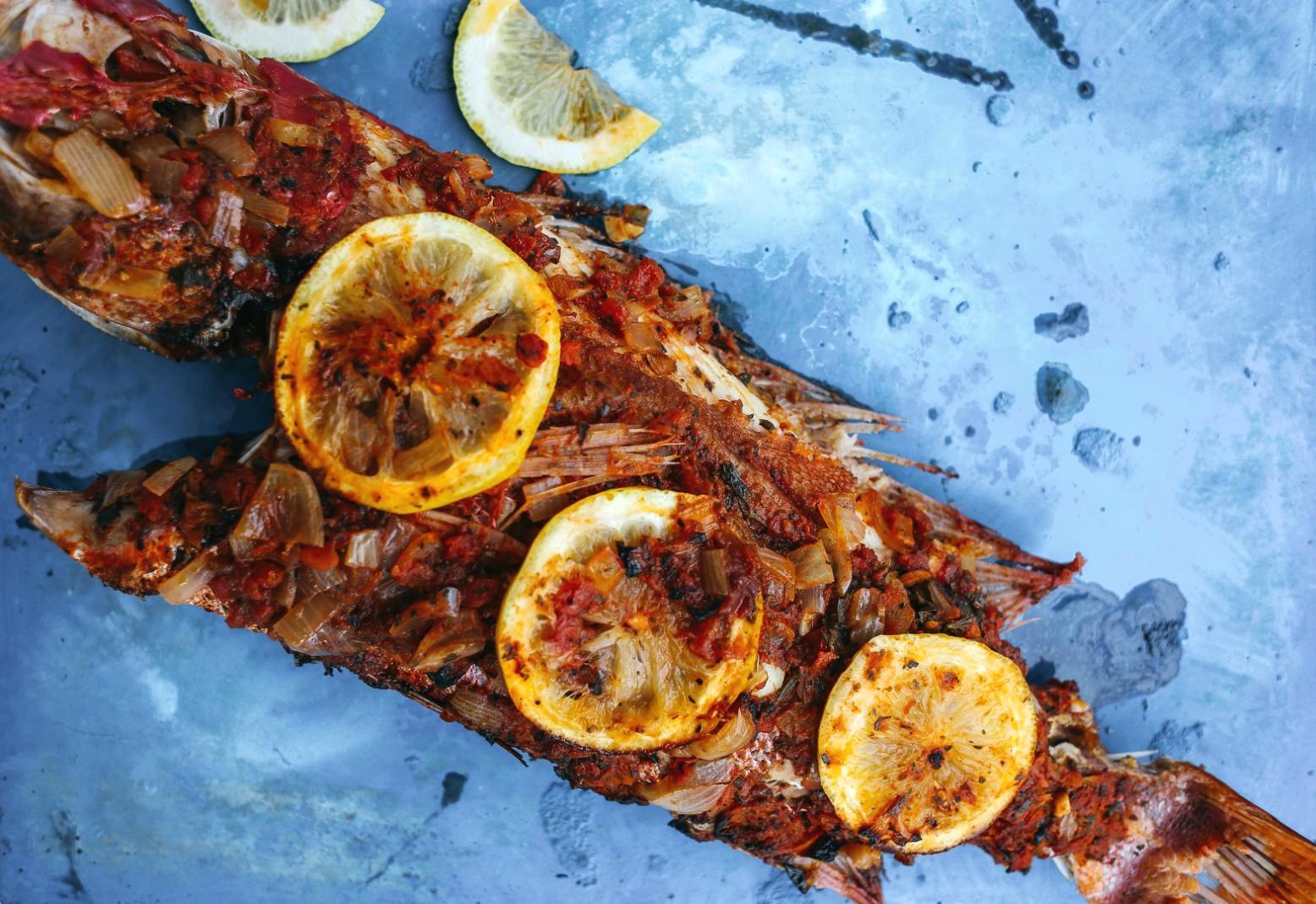
Between 145°F and 165°F lies an entire world of custard-like textures. One degree shifts consistency from runny to firm—this precision is what makes sous-vide worth learning.
Why We Focus On Understanding Rather Than Recipes
Anyone can follow a recipe. But when your circulator breaks mid-cook, or you need to adapt timing for different protein thicknesses, that's when understanding temperature curves matters.
We spend time on the science because it's actually useful. Knowing how myosin denatures at 122°F helps you troubleshoot. Understanding why vegetables need higher temps than meat explains texture issues.
Most courses teach you what temperature to use. We teach you why that temperature works—and what happens if you adjust it. That knowledge transfers across every ingredient you'll cook.
How The Learning Actually Works
Our September 2025 program runs sixteen weeks. You'll cook regularly, experiment with variables, and learn to fix problems when they happen.
Temperature Theory Sessions
First four weeks cover protein structure, heat transfer, and pasteurization basics. Dry material, but essential for understanding why timing and temperature interact.
Hands-On Experimentation
You'll cook the same chicken breast at five different temperatures, document texture changes, and learn what each degree actually does. Repetitive but revealing.
Troubleshooting Practice
We deliberately create problems—uneven cooking, bag floating, temperature fluctuations—so you learn to recognize and fix issues before they ruin dinner.
Recipe Development Skills
Final weeks focus on creating your own recipes using temperature principles. Less hand-holding here—you apply what you've learned to ingredients that interest you.
Who Teaches These Sessions
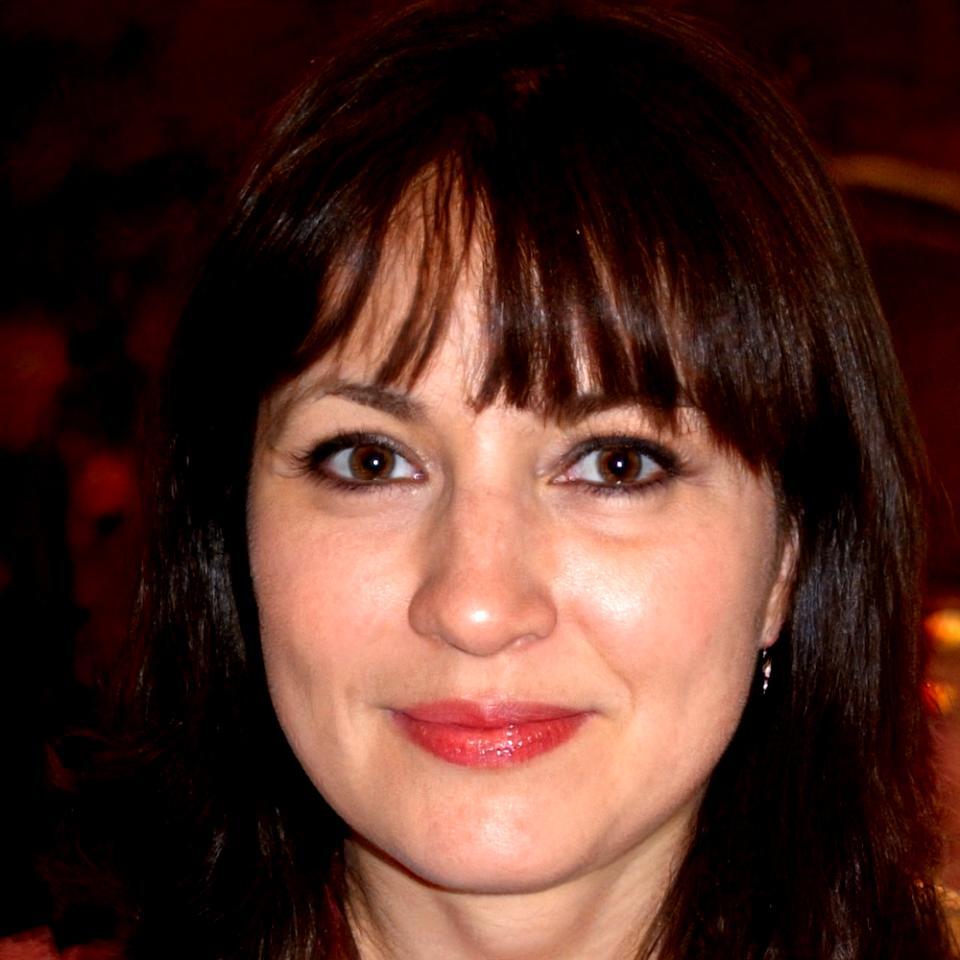
Katrīna Liepiņa
Protein Specialist
Spent six years working protein stations in various kitchens before specializing in temperature-controlled cooking. She's particular about documentation and repeatability.
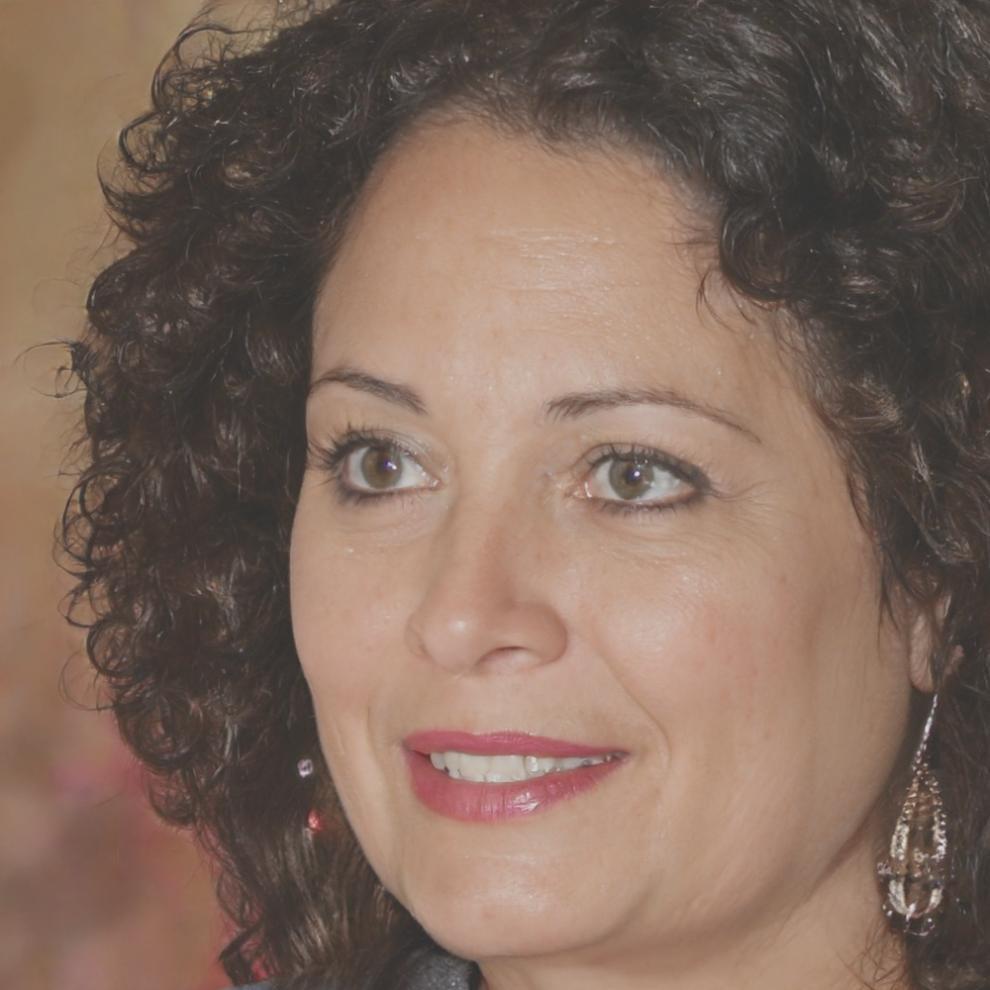
Rūta Vītola
Vegetable Techniques
Focuses on plant-based applications where sous-vide creates textures traditional cooking can't achieve. Her carrot experiments alone fill an entire module.
Ready To Work With Precision Temperature?
Our next program starts September 2025 in Rīga. Sixteen weeks of practical work that builds real understanding of water bath cooking methods.
Get Program Details